


Holiday Gifts
Embroidery Psychology: Why Embroidered Christmas Shirts Create a Cozy Holiday Feeling
Dec
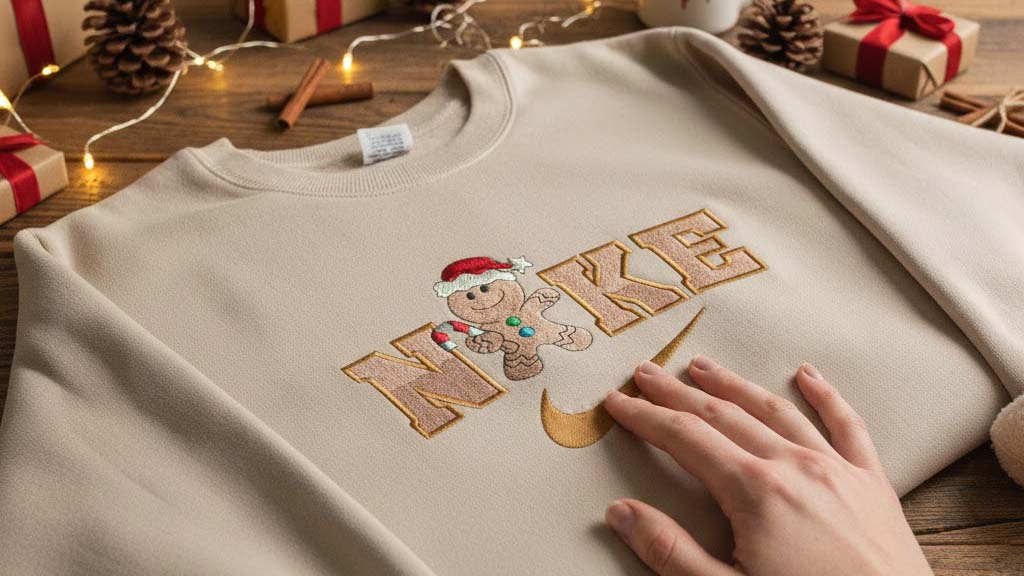
The holiday season has a special ability to transform even the simplest moments into rituals of warmth. The glow of string lights, the faint spice of cinnamon, the sound of soft piano music, the embrace of winter clothing—each sensory element works together to create a psychological cocoon of comfort. Among these details, embroidery stands out as an unexpectedly powerful trigger of coziness. Whether it appears on an embroidered Christmas shirt, a winter hoodie, or a handmade keepsake, embroidery carries emotional weight that goes far beyond decoration. Its texture, colors, and handcrafted character evoke an almost instinctive sense of reassurance, nostalgia, and closeness.
Understanding why these tiny stitches affect us so deeply requires looking at embroidery not just as an art form, but as a psychological experience. People react to embroidery on multiple levels—the sensory response to texture, the emotional link to handmade objects, the symbolic meaning of warm colors, the cultural history tied to stitched textiles, and the subconscious need for slower, more intentional aesthetics in a fast-paced world. During the holidays, when people seek grounding and emotional warmth, these layers of meaning become even more pronounced.
This article explores the surprising psychology behind embroidery and explains why it becomes such a powerful comfort signal during the holiday season.
The Sensory Comfort of Raised Texture
One of the most immediate psychological effects of embroidery comes from its physical texture. Humans have always relied on touch to evaluate objects—softness meant safety, warmth, and comfort long before modern clothing existed. The raised stitches of an embroidered shirt activate the same instinctive response. Even without touching the fabric, the eye can perceive depth and softness. The brain interprets the difference between smooth surfaces and textured ones as a clue: textured objects feel warmer, richer, and more inviting.
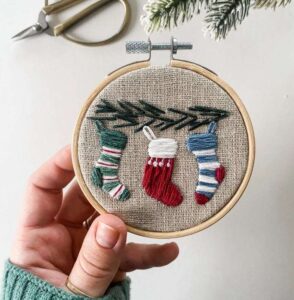
Printed designs sit flat, offering no tactile or visual depth. Embroidery, however, catches light differently. The shadows that form around each thread create micro-highlights and lowlights, giving the design a natural warmth. This visual “softness” has a calming effect on the brain. In winter, when people crave physical warmth, these textures become powerful emotional cues. A simple stitched star, tree, or snowflake on a sweater can evoke an immediate sense of coziness, even before the fabric touches the skin.
Texture also slows down visual perception. The eye lingers on a stitched surface because it has more complexity to explore. This slow visual engagement mirrors the slow pace people long for during the holidays—a break from the rush of daily life. In this way, embroidery offers both sensory and psychological comfort.
The Handmade Aesthetic and Its Emotional Echoes
Whether created by hand or machine, embroidery always carries the visual language of craft. The repetitive pattern of stitches suggests human intention, patience, and care. This perception taps into a psychological phenomenon known as the “effort heuristic”: people value objects more when they believe time, attention, or skill went into making them.
A custom embroidery design intensifies this effect even further. When someone sees their name, their pet, a meaningful date, or a holiday symbol stitched onto clothing, the emotional value multiplies. The garment becomes a personal artifact rather than just an item of fashion. During the holidays, when gift-giving becomes a symbolic expression of affection, embroidery mirrors the emotional labor of giving. It feels thoughtful, slow, deliberate—the opposite of mass-produced, disposable holiday merchandise.

Psychologists also note that handcrafted aesthetics evoke nostalgia. Many people associate embroidered textiles with childhood memories: a grandmother’s embroidered tablecloth, a hand-stitched Christmas ornament, or the embroidered details on early clothing. These memories are often rooted in warmth, family, and safety. Wearing an embroidered Christmas shirt taps into this emotional archive, reopening channels of comfort that the brain has stored for years.
Warm Colors and Their Psychological Depth
Color psychology plays an essential role in how embroidered clothing feels, especially during the holiday season. Many festive embroidery designs use warm, emotionally charged colors—deep red, gold, forest green, cream, and warm browns. These colors carry universal associations. Red signals energy, love, and warmth. Gold suggests celebration and optimism. Green represents growth, nature, and renewal.

What makes embroidery unique is the richness with which it presents these colors. Threads reflect light softer than ink, giving each color a slightly plush, velvety appearance. In winter, this visual warmth becomes especially soothing. Our environments turn colder, harsher, and more monotone. Colorful embroidery cuts through this with a gentle emotional brightness. A stitched red berry, a golden star, or green wreath becomes a tiny portal of warmth.
There is also an intimacy to embroidered color. Because the threads sit above the fabric, the viewer can see tiny variations in the fibers—small shifts in brightness or texture that add depth to the color. This is something no printed design can replicate. It makes the colors feel alive, handmade, and emotionally resonant.
The Rhythm of Stitches and the Psychology of Slowness
The holiday season often encourages people to slow down, reflect, and reconnect with rituals that feel grounding. Embroidery embodies this slowness in its very structure. Each stitch represents a small, deliberate moment. Even machine embroidery follows a slow, rhythmic pattern that mirrors human handiwork. This repetitiveness communicates calmness to the viewer. It feels meditative, stable, and intentional.
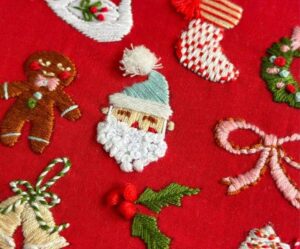
In contrast, printed designs give the impression of instant production—fast, efficient, and impersonal. Embroidery speaks the language of time. It suggests that the garment was not rushed. It asks the viewer to slow down their eye, trace the lines, and appreciate the detail.
During the holidays, when people often feel overwhelmed by busyness—shopping, traveling, planning—the quiet patience embodied in embroidery becomes a form of psychological grounding. Wearing an embroidered piece feels like carrying a soft reminder to breathe, to reconnect with the slower joy of the season.
Nostalgia and Cultural Memory
Embroidery is one of the oldest textile traditions in the world. It appears in nearly every culture, from European folk clothing to Asian ceremonial garments to Indigenous decorative art. Because of this, embroidery carries the weight of cultural memory. It reminds people of history, heritage, and handmade traditions passed down through generations.
The holidays intensify this connection. Many families display embroidered stockings, tree skirts, ornaments, or table linens that only appear once a year. These items become emotional landmarks. They mark the passing of time, the continuation of tradition, and the memory of past celebrations.
When someone wears an embroidered shirt during the holiday season, they’re tapping into a global, cross-cultural visual language of tradition. Even if the design is modern—a minimal Christmas tree, a small Santa hat, a stylized reindeer—the technique itself whispers nostalgia.
This connection creates a comforting sense of continuity. In a world that constantly changes, embroidery feels enduring.
The Visual Storytelling of Stitches
Embroidery has an expressive quality that printed designs often lack. Stitches create lines with personality—slightly imperfect, slightly human. They carry a sense of storytelling. A stitched snowflake feels different from a printed one; it feels crafted, almost alive. The thread gives shape a softness, as though the image has breath.
This sense of storytelling is especially strong in holiday imagery. Symbols like stars, holly leaves, gingerbread men, and wreaths carry emotional meaning, and embroidery amplifies that meaning by adding texture, weight, and presence. The narrative feels tangible. Wearing an embroidered design feels like carrying a small piece of holiday magic woven into fabric.
For many people, this turns an ordinary piece of clothing into something emotionally significant. A sweatshirt becomes a memory-maker. A hoodie becomes a comfort object. A custom embroidery piece becomes a personal treasure.
Why Embroidery Feels More “Cozy” Than Print
When all of these psychological layers come together—texture, warmth, craftsmanship, nostalgia, slow aesthetics, cultural memory—the result is a powerful emotional response. Embroidery feels cozy because it appeals to both the senses and the heart. It reminds people of safety, craftsmanship, family, and tradition. It provides visual warmth and tactile richness. It feels human in a world where so many things feel automated.
This cozy reaction peaks during the holiday season because people naturally seek emotional grounding. Winter can feel isolating. Holidays can be stressful. Embroidery steps in like a gentle reminder of warmth and connection.
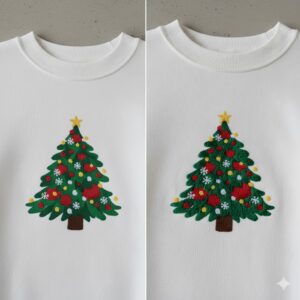
A shirt with raised stitches feels like a soft hug.
A holiday motif created with thread feels like a memory pulled forward into the present.
A custom embroidery piece feels like a celebration of identity and belonging.
No wonder embroidered clothing has become a holiday favorite—especially the embroidered Christmas shirt, which captures both festive cheer and emotional comfort in one simple garment.
The Emotional Experience of Wearing Embroidered Christmas Shirts
People don’t just see embroidery—they feel it. They feel the softness of the threads under their fingertips, the subtle weight of the design against their chest, the raised outline brushing their palm. These small tactile moments are grounding. Touch is one of the most powerful emotional regulators, and embroidery engages it naturally.

Even the act of adjusting a sleeve or brushing a thumb over a stitched pattern can create micro-moments of comfort. These physical sensations combine with color warmth, handcrafted aesthetic, and holiday symbolism to create a layered emotional experience.
For many, this is why embroidered clothing becomes a staple every December. The garment becomes a companion object—something familiar, warm, and reassuring.
Conclusion: The Quiet Magic of Stitches
Embroidery is far more than decoration. It is a psychological language woven into fabric. During the holiday season, its impact becomes especially powerful. The raised texture creates sensory warmth. The handcrafted rhythm of stitches evokes care and nostalgia. The rich thread colors offer emotional light in the cold of winter. The cultural memory embedded in embroidery anchors people to tradition and belonging.
A simple embroidered shirt can do what many objects cannot: create an instant sense of home.
Whether someone chooses a minimal design or a festive embroidered Christmas shirt, they’re not just selecting clothing—they’re choosing comfort, grounding, and emotional warmth. And that is why embroidery will always hold a special place in the psychology of holiday coziness.
