


News, Holiday Gifts
The Quiet Green: Why the World is Moving Past the Traditional St. Patrick’s Day 2026
Mar
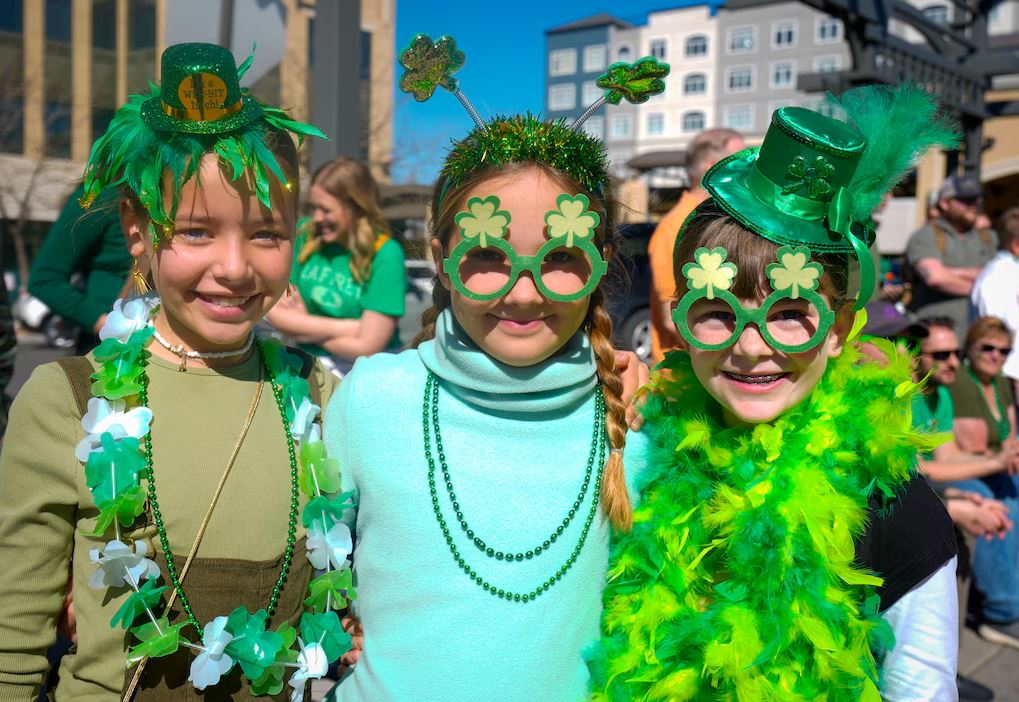
For decades, the seventeenth of March was a date carved in neon green. It was a day characterized by rhythmic Celtic fiddles, the smell of corned beef wafting through suburban kitchens, and a sea of plastic shamrock sunglasses flooding metropolitan streets. Yet, as we navigate the cultural landscape of St. Patrick’s Day 2026, a curious silence has fallen over the festivities. The boisterous parades that once paralyzed city centers are thinning, and the aggressive commercialism that defined the holiday for the last half-century seems to be undergoing a profound identity crisis.
The decline of traditional St. Patrick’s Day celebrations isn’t a sign that people have lost their love for Ireland or its rich heritage. Rather, it is a reflection of a massive shift in how we consume culture, how we view historical accuracy, and how the modern “experience economy” has outgrown the clichéd tropes of the past. To understand why people aren’t celebrating like they used to, we have to look at the intersection of evolving social values and the digital fatigue of 2026.
The Death of the Caricature
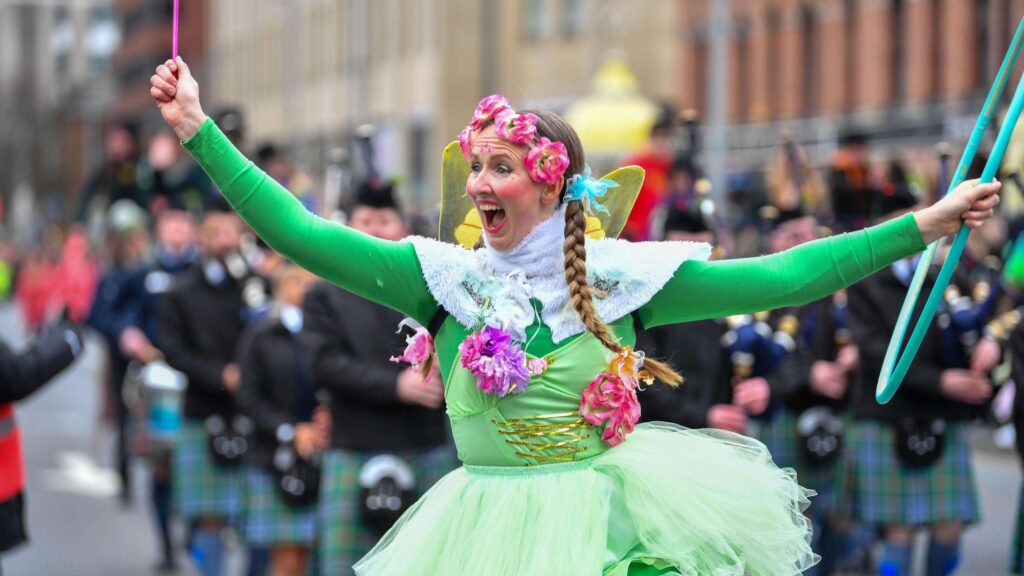
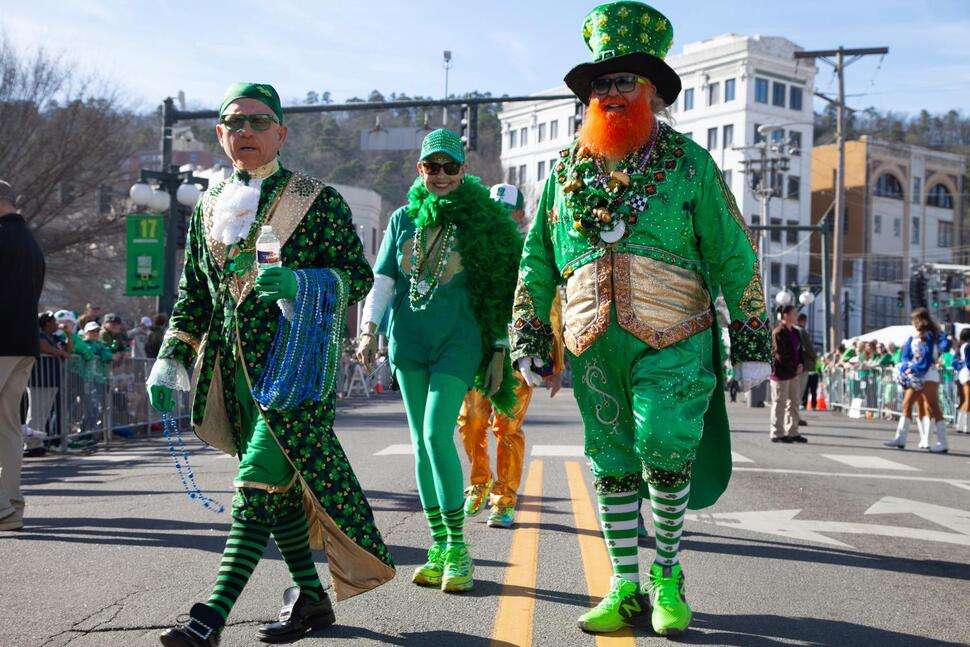
Perhaps the most significant reason for the waning enthusiasm is a collective “cringe” at the outdated stereotypes that once fueled the holiday. For a long time, the holiday revolved around a very specific, almost cartoonish version of Irishness. This was the era of the “fighting Irish” trope and the ubiquitous Leprechaun gift—trinkets that reduced a complex, ancient culture to a mischievous bearded man in a buckle hat chasing a pot of gold.
In 2026, our global literacy regarding cultural sensitivity has sharpened. People are increasingly wary of “costume culture.” The younger generation, in particular, views the drunken revelry and the plastic-heavy aesthetics of the old-school St. Paddy’s Day as reductive and, frankly, a bit tacky. When every other day of the year is dedicated to nuance and authentic storytelling, a holiday built on green beer and stereotypical accents starts to feel like a relic of a less thoughtful time. We are seeing a move away from the caricature toward a more somber, or at least more sincere, appreciation of Irish history and art, which doesn’t always translate well to a loud, booze-filled street party.
The Rise of Conscious Consumption
Furthermore, the way we approach gift-giving has been revolutionized. The days of buying mass-produced, disposable green plastic as a St. Patrick’s Day gift are largely over. In the current economic and environmental climate, there is a fierce backlash against “fast holidays.” People are no longer interested in filling their homes with items that will end up in a landfill by March 18th.
Instead of the cheap plastic mugs or synthetic green wigs, those who still celebrate are looking for sustainability and craftsmanship. They want a St. Patrick’s Day gift that tells a story—perhaps a piece of authentic Connemara marble, a hand-knit Aran sweater, or a bottle of craft whiskey from a small-batch distillery in Cork. The shift from quantity to quality means that the visual “noise” of the holiday has diminished. You don’t see the green explosion in shop windows because the consumer is looking for something more subtle and permanent. If a holiday gift doesn’t have a soul, the 2026 consumer likely isn’t buying it.
The Digital Pivot and Experience Fatigue
We must also consider the role of the digital world. In the mid-2010s, holidays were often “celebrated” primarily for the sake of the grid—Instagrammable moments that proved you were out, active, and wearing the right shade of emerald. However, by St. Patrick’s Day 2026, there is a palpable sense of digital burnout. The desire to perform one’s life for an audience has been replaced by a desire for “quiet moments” and “JOMO” (the Joy of Missing Out).
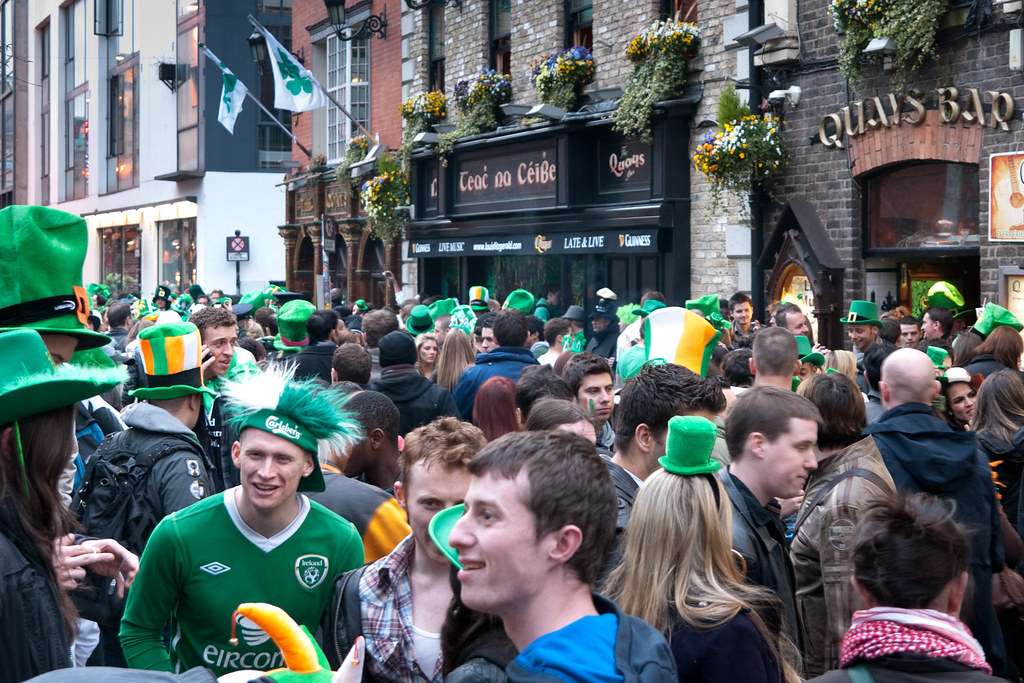
The traditional parade, with its crowded barricades and limited visibility, is a nightmare for a generation that prizes comfort and curated experiences. Why stand in the cold, damp air of a March morning when you can engage with Irish culture through a high-definition documentary, a virtual reality tour of the Cliffs of Moher, or a curated Spotify playlist of modern Dublin indie-folk? The celebration hasn’t died; it has moved indoors and become individualized. The collective public square is being traded for the private, meaningful circle.
The Evolution of the Irish Identity
Crucially, Ireland itself has changed. The Ireland of 2026 is a global tech hub, a leader in progressive social policy, and a diverse, multicultural nation. The old-school diaspora’s version of Ireland—a misty, rural land of saints and scholars—is increasingly out of sync with the reality of modern Dublin or Galway.
Many people of Irish descent are finding that the traditional Americanized celebration of the holiday feels foreign to them. They are seeking a connection that goes deeper than a pint of Guinness. They are learning the Irish language (Gaeilge), researching the complex history of the Great Famine, or following the modern Irish literary “gold rush” led by authors who have nothing to do with leprechauns. This intellectualization of the holiday makes it less “loud” but perhaps more resilient in the long run. You can’t easily parade an intellectual connection down Fifth Avenue, but you can carry it with you throughout the year.
The Economic Reality
We cannot ignore the practicalities of the current year. Inflation and the rising cost of living have made the “night out” an expensive luxury. In 2026, the cost of a round of drinks at a themed pub, plus transportation and a festive meal, can be staggering. When faced with financial choices, many people are opting to skip the mid-tier holidays. St. Patrick’s Day often falls in that awkward gap between the New Year and the spring break/Easter season. It is becoming a casualty of “celebration budget” cuts. If people are going to spend their hard-earned money, they are saving it for significant life events or major travel, rather than a Tuesday night dedicated to a 5th-century bishop.
A Modern, Meaningful Alternative Celebration for St. Patrick’s Day 2026
If you find yourself caught between wanting to honor the spirit of the day and wishing to avoid the green-tinted chaos of the streets, there is a simple yet deeply personal way to celebrate: the St. Patrick’s Day embroidered shirt. Moving away from screen-printed “fast fashion” that fades after one wash, an embroidered piece offers a tactile, high-quality connection to the holiday.
Whether it is a subtle shamrock on a cuff or a beautifully detailed Celtic knot on a heavy-weight crewneck, these shirts serve as a versatile St. Patrick’s Day gift—either for a loved one or as a curated treat for yourself. The beauty of embroidery lies in its longevity; it doesn’t shout for attention, but rather whispers a sense of heritage and craft. In St. Patrick’s Day 2026, wearing a piece that feels “made” rather than “manufactured” is the ultimate way to stay festive while remaining sophisticated. It’s a quiet nod to the holiday that fits perfectly into a modern wardrobe, long after the last parade has ended.



Conclusion: A Holiday in Hibernation
Is St. Patrick’s Day dead? Not at all. It is simply in a state of chrysalis. The version of the holiday that relied on a Leprechaun gift and excess is fading away to make room for something more authentic. We are seeing a transition from a public performance to a private appreciation.
As we look at the quiet streets of St. Patrick’s Day 2026, we shouldn’t see it as a loss of spirit. Instead, see it as a sign of maturity. We are learning that you don’t need to wear green to appreciate the “Emerald Isle,” and you don’t need a parade to honor a legacy. The celebration is becoming more quiet, more intentional, and ultimately, more Irish in its resilience and depth.
