News
How Gen Z, Millennials, and Gen X Define “Value” Differently in 2026
Jan
For a long time, value was treated as a simple equation. Something was valuable because it cost more, lasted longer, or carried a recognizable brand name. In 2026, that definition no longer holds. Across generations, the idea of value has fractured into layers shaped by identity, experience, and emotional context rather than price alone.
This shift is not subtle. It shows up in how people shop, what they keep, and what they quietly stop buying. When we look closely at the generation gap in 2026, we see that Gen Z, Millennials, and Gen X are not just consuming differently. They are answering different questions when they decide something is “worth it.”
Value Is No Longer Just About Money
In 2026, value has moved away from being purely transactional. Price still matters, but it is no longer the main signal of worth. Instead, value has become interpretive. People ask what an object says about them, how it fits into their life, and whether it aligns with what they believe matters now.
This is where generational differences become especially clear. Each generation grew up with different economic pressures, cultural narratives, and emotional expectations. As a result, the word “value” carries different weight and meaning depending on who is using it.
Gen Z: Value as Identity and Ethics
For Gen Z, value is deeply tied to identity. This generation does not see consumption as neutral. Every purchase is a form of self-expression, whether intentional or not. In 2026, Gen Z is acutely aware that what they buy becomes part of how they are perceived by others and, just as importantly, by themselves.
Value, for Gen Z, often begins with the question: “Does this represent who I am?” A product that aligns with their beliefs, aesthetics, or social values can feel valuable even if it is not the most practical or durable option. Ethics matter, but not in a purely abstract way. Sustainability, inclusivity, and transparency are important because they reinforce a coherent sense of self.

This does not mean Gen Z ignores price. Rather, they contextualize it. Something can be inexpensive and valuable if it carries meaning. Something expensive can feel worthless if it conflicts with their values. In 2026, Gen Z is less interested in owning many things and more interested in owning the right things, even if those things change frequently.
This identity-driven definition of value explains why Gen Z often gravitates toward items that feel symbolic rather than purely functional. They want objects that communicate stance, taste, or awareness. Value is not measured by longevity alone, but by relevance to the present moment.
Millennials: Value as Longevity and Emotion
Millennials occupy a complicated middle space in 2026. Having lived through economic instability, rapid technological change, and shifting cultural expectations, they have learned to be cautious. For them, value is rarely impulsive. It is negotiated.
Millennials tend to define value through longevity, but not only in the physical sense. Something is valuable if it lasts emotionally as well as materially. They ask whether an item will still feel right months or years later, whether it will integrate into their life rather than disrupt it.

Emotion plays a significant role here. Millennials often buy with a sense of self-care or self-reward, but that reward must feel justified. An object becomes valuable when it carries a story, a memory, or a sense of comfort. This generation is less interested in chasing trends and more interested in building a personal ecosystem of belongings that feel stable.
In 2026, Millennials are also more selective than before. Many are buying fewer things, but thinking longer about each purchase. Value is found in balance: between quality and cost, meaning and practicality, desire and restraint.
This is why Millennials often gravitate toward items that feel quietly intentional. They are drawn to things that do not demand attention but offer reassurance. Value, for them, lies in trust—trust that an object will not disappoint, embarrass, or become obsolete too quickly.
Gen X: Value as Reliability and Function
Gen X approaches value with a different instinct. Shaped by decades of adapting to change, they tend to prioritize reliability. In 2026, value for Gen X is still closely tied to function, but this does not mean they are indifferent to aesthetics or meaning. Rather, function is the foundation upon which everything else rests.
For Gen X, something is valuable if it does what it promises without unnecessary complexity. They are skeptical of novelty for novelty’s sake. Trends do not automatically signal improvement. In fact, excessive change can reduce perceived value.

This generation often measures worth through usefulness over time. They appreciate products that integrate seamlessly into daily routines and require little emotional labor to maintain. Value is calm, dependable, and familiar.
Unlike Gen Z, Gen X rarely uses consumption as a form of identity signaling. Unlike Millennials, they are less likely to romanticize objects emotionally. Instead, they trust what has proven itself. In 2026, Gen X continues to value durability, clarity, and straightforward design.
The Generation Gap Is Not a Conflict, but a Layering
When viewed together, these definitions of value might seem contradictory. Identity versus function. Emotion versus reliability. Ethics versus practicality. But in reality, the generation gap in 2026 is less about opposition and more about layering.
Each generation is responding to the conditions it knows best. Gen Z responds to visibility and values in a hyper-connected world. Millennials respond to instability by seeking balance and meaning. Gen X responds to constant change by anchoring themselves in reliability.

Understanding this layered landscape helps explain why certain products resonate across generations while others fail. Items that only deliver on one dimension of value tend to appeal narrowly. Items that carry multiple layers of value can quietly bridge generational divides.
Where Multi-Layered Value Becomes Visible
In 2026, products that succeed across generations tend to share certain qualities. They are not loud. They are not aggressively trendy. They offer space for interpretation.
This is where objects with craftsmanship and subtlety begin to stand out. When value is no longer just about price, people start noticing how something is made, how it feels, and how it fits into their lives over time.
An embroidered shirt is a good example of this multi-layered value, even though it is rarely marketed as such.
For Gen Z, an embroidered shirt can function as a symbol. The design can be personal, ethical, or expressive without being overwhelming. Embroidery allows identity to be communicated quietly, which feels increasingly relevant in a world saturated with visual noise.
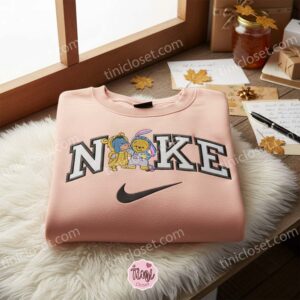
For Millennials, the value lies in longevity and emotion. An embroidered shirt feels considered. The stitching suggests care, effort, and intention. It ages differently than printed graphics, often becoming more personal with time. It feels like something worth keeping rather than replacing.
For Gen X, the appeal is reliability. Embroidery is durable. It does not peel or fade easily. It respects function while offering subtle visual interest. It does not demand explanation or attention.
What makes the embroidered shirt particularly interesting in 2026 is that it satisfies different definitions of value simultaneously. It does not force a single narrative. Instead, it allows each generation to project its own priorities onto the same object.
Value in 2026 Is About Fit, Not Hype
The biggest shift in how value is defined across generations in 2026 is not ideological. It is practical. People are tired of buying things that do not fit into their lives, even if those things are popular, discounted, or heavily marketed.
Value is increasingly personal. It depends on context, timing, and emotional state. The generation gap is real, but it does not have to be divisive. When we stop assuming that value must mean the same thing to everyone, consumption becomes less performative and more intentional.
In this landscape, products that carry multiple layers of value without announcing themselves loudly have an advantage. They do not rely on hype. They rely on resonance.
In 2026, value is no longer something that can be printed on a price tag. It is something that has to be felt, interpreted, and lived with. And perhaps that is why quieter, more thoughtful objects are finally being noticed again—not because they are new, but because they are capable of meaning more than one thing at once.