


Holiday Gifts
The Quiet Beauty of Embroidered Christmas Shirt in the Post-Christmas Season
Dec
The Quiet That Comes After the Celebration
There is a particular quietness that arrives after Christmas.
The lights are still there, half-forgotten on windowsills. The tree might remain standing for a few more days, needles falling softly onto the floor. The rush is gone, replaced by slower mornings and longer pauses. In this post-christmas moment, many people find themselves rethinking what they bought, what they wore, and what truly stayed with them after the celebrations ended.
During the holiday season, clothing often becomes loud. Fast fashion floods the market with novelty designs, bold prints, exaggerated slogans, and garments made for one moment only. An embroidered christmas shirt, however, tends to resist that noise. It doesn’t shout. It doesn’t demand attention. And that is precisely why, after Christmas, embroidery begins to feel more meaningful than ever.

Post-Christmas: When We Start Valuing Depth Over Surface
After the holidays, we instinctively slow down.
We stop buying for others and start noticing what we ourselves want to keep close. In that space, clothing made with intention feels different on the skin. Embroidered garments, shaped by patience and detail, carry a sense of permanence that contrasts sharply with the disposable nature of seasonal fashion.
The post-christmas period invites reflection. It asks quieter questions: What lasts? What still feels right when the excitement fades? Embroidery answers these questions without words.
The Slowness Behind Every Stitch
Embroidery is, by nature, slow.
Every stitch requires time. Every line is placed deliberately. Unlike printed graphics that appear instantly through machines, embroidery asks for commitment. Whether done by hand or with careful machine guidance, the process cannot be rushed without losing its soul.
This slowness becomes especially resonant after Christmas, when people are gently stepping away from urgency and excess. In a world that moved too fast for weeks, embroidery feels like an exhale.
A Christmas Gift That Doesn’t End on December 25th
During the holiday rush, a christmas gift is often chosen quickly.
The focus is on deadlines, availability, and visual impact. But after Christmas, when the wrapping paper is gone and the excitement has settled, the gifts that endure are the ones with substance.
An embroidered christmas shirt often becomes one of those gifts. It may not have been the loudest under the tree, but it is the one that continues to be worn, touched, and appreciated long after December 25th has passed.
How Embroidery Holds Memory
Embroidery holds memory differently.
A printed design may fade or crack with time, but embroidered threads age gracefully. They soften, settle into the fabric, and become part of the garment’s story. Each wash does not erase them; instead, it integrates them more deeply.
In a post-christmas season defined by reflection, this quiet durability feels grounding. It reminds us that beauty does not need to be temporary to be meaningful.
Fast Fashion Ends When the Season Does
Fast fashion thrives on replacement.
Buy it, wear it once, discard it when the season ends. Christmas collections are often the clearest example of this cycle. Sweaters designed solely for December lose relevance overnight. Once the holiday passes, they are pushed to the back of closets or forgotten altogether.
Embroidery challenges this pattern. A well-designed embroidered christmas shirt does not rely on obvious holiday clichés. Its appeal lies in subtlety, allowing it to remain wearable throughout winter and beyond.
Dressing for the In-Between Season
The post-christmas period exists between celebration and routine.
People are not ready for spring, but they are finished with overt festivity. They want clothing that feels calm, warm, and effortless.
Embroidered garments fit naturally into this in-between time. They offer comfort without spectacle and character without excess. They feel right for quiet afternoons, slow walks, and ordinary days that no longer need decoration.
Clothing That Turns Inward With You
There is an emotional shift after Christmas that embroidery seems to understand intuitively.
The holidays are social, outward-facing, and performative. Afterward, life turns inward. Clothing becomes less about being seen and more about feeling at ease.
The tactile quality of embroidery—raised threads, textured surfaces, careful stitching—creates a sensory experience that printed designs cannot replicate. Wearing embroidery becomes a private pleasure rather than a public statement.

Feeling the Work Behind the Garment
When you run your fingers over embroidered details, you feel the work behind them.
That physical connection fosters appreciation. In a post-christmas mindset, when consumption slows and awareness sharpens, this connection matters more.
People begin asking where things came from, how they were made, and why they chose them in the first place. Embroidery invites these questions naturally.
From Festive Piece to Everyday Companion
An embroidered christmas shirt often carries a dual identity.
During the holiday season, it feels intentional and festive. After Christmas, it transforms into something quieter—a piece worn for comfort, familiarity, and self-expression.
This shift mirrors the emotional movement of the season itself, from celebration to integration.
Slow Fashion and the Post-Christmas Mindset
The philosophy of slow fashion aligns effortlessly with the post-Christmas mood.
After weeks of spending and stimulation, many people crave simplicity. They want fewer things with more meaning.
Embroidery embodies this desire. It values craftsmanship over speed and longevity over trends. Wearing embroidered clothing after Christmas feels like a gentle refusal of excess, without needing to announce it.
Sustainability Seen More Clearly After the Holidays
In the calm that follows Christmas, the cost of overconsumption becomes visible.
Unused decorations, unworn clothes, and discarded packaging tell a story many would rather forget.
Embroidery offers an alternative. Designed to last beyond a single season, embroidered garments feel like a conscious choice during the post-christmas period—a quieter, more responsible way of consuming fashion.
A More Personal Kind of Christmas Gift
A christmas gift made through embroidery carries emotional weight.
It suggests intention, patience, and respect for craft. That meaning does not disappear when the holiday ends. It deepens.
As time passes, the gift becomes less about the occasion and more about the care behind it.
Why Embroidery Lasts When Trends Fade
There is something deeply human about embroidery.
It carries imperfection, variation, and individuality. Even machine embroidery reflects thoughtful design choices that value balance and restraint.
In contrast, mass-produced holiday apparel often feels anonymous. After Christmas, people naturally gravitate toward items that feel personal rather than performative.
Slowing Down With What We Wear
The slower rhythm of embroidery mirrors the slower rhythm of life after the holidays.
Mornings stretch longer. Evenings grow quieter. Reflection replaces urgency.
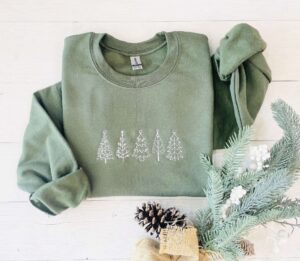
Clothing that aligns with this pace feels appropriate. An embroidered christmas shirt worn in January is no longer about celebration—it becomes part of everyday calm.
Post-Christmas Is Where Embroidery Truly Belongs
This is why embroidered clothing feels more special after Christmas than during it.
Without the noise of the season, embroidery stands on its own. It does not compete for attention. It simply offers warmth, texture, and quiet beauty.

Choosing Continuity Over Novelty
In a culture that often equates value with newness, embroidery reminds us that value can also come from continuity.
From wearing something again and again. From letting it age with us. From allowing clothing to hold memory rather than chasing trends.
A Soft Beginning, Not an Ending
Post-christmas is not an ending.
It is a gentle beginning—a return to essentials. Embroidered clothing fits naturally into this moment, bridging festivity and everyday life.

Choosing an embroidered christmas shirt after the holidays is a quiet act of slowing down. It says that craftsmanship matters, that beauty does not need urgency, and that some things are worth keeping long after the celebration ends.
